Build a workable itinerary
Things to do in Martinique: choose activities that fit your trip
The best activity list is not the longest one. It accounts for the coast, wind, your group's ability and the time spent on the road, while keeping enough flexibility for changing conditions.
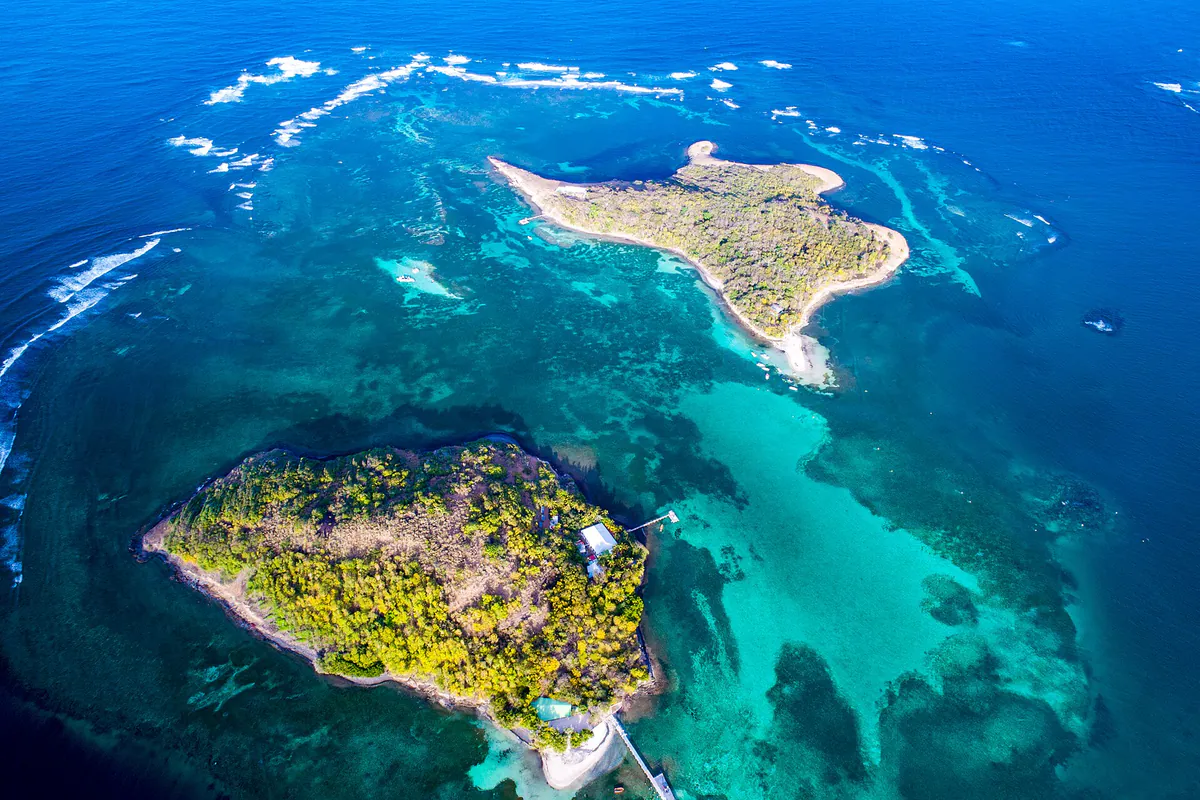
Plan by experience
Choose what you want to do
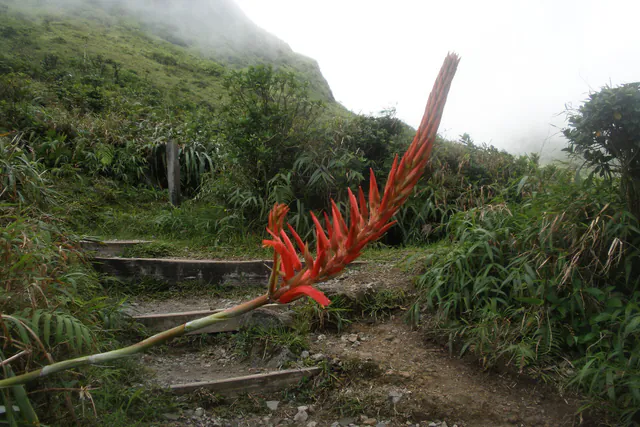
Hike Mount Pelée
Choose a route, read the summit forecast and keep a realistic fallback objective.
→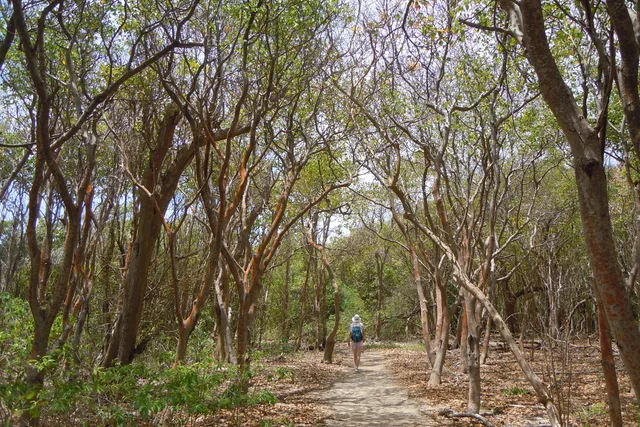
Walk the Trace des Caps
Select one section, arrange the return and manage heat, water and exposure.
→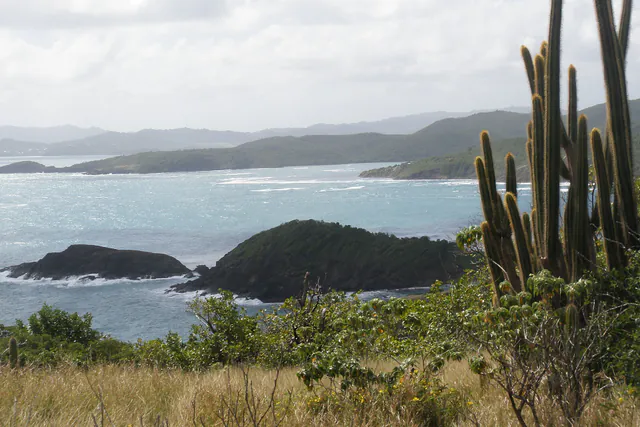
Explore the Caravelle peninsula
Compare loops, the nature reserve, Atlantic coast and Château Dubuc heritage.
→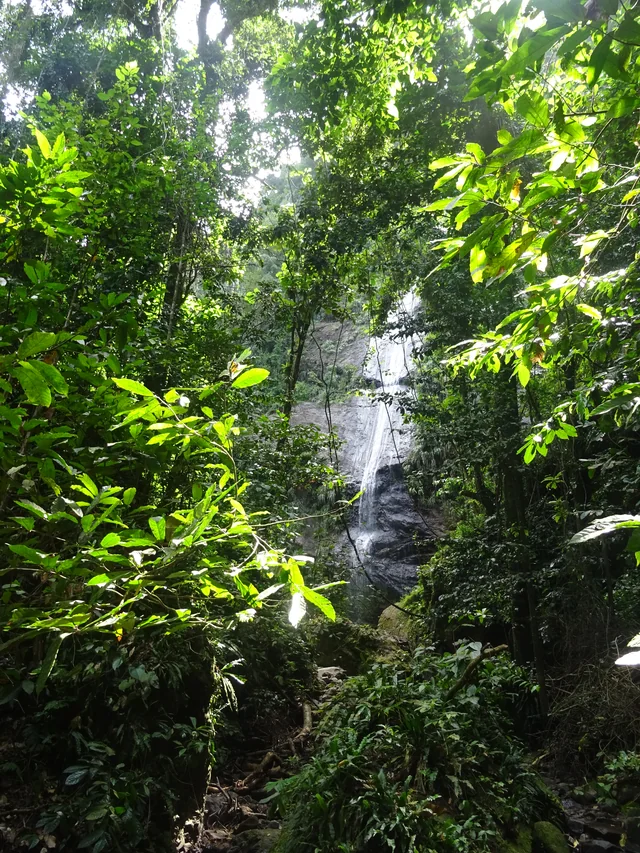
Choose a waterfall or canyon
Distinguish an independent walk, a supervised river route and technical canyoning.
→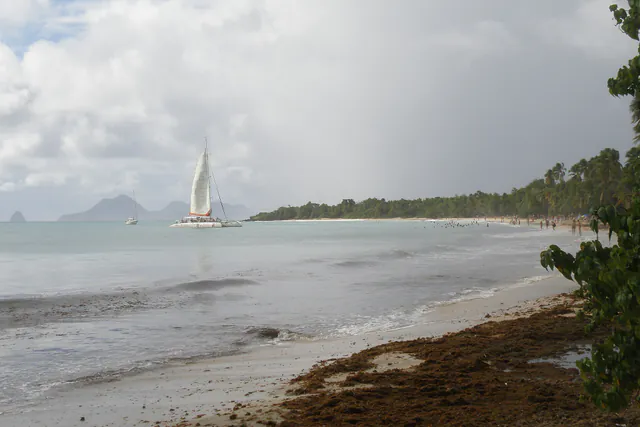
Find the right beach for today
Compare sea conditions, wind, shade, access and atmosphere on different coasts.
→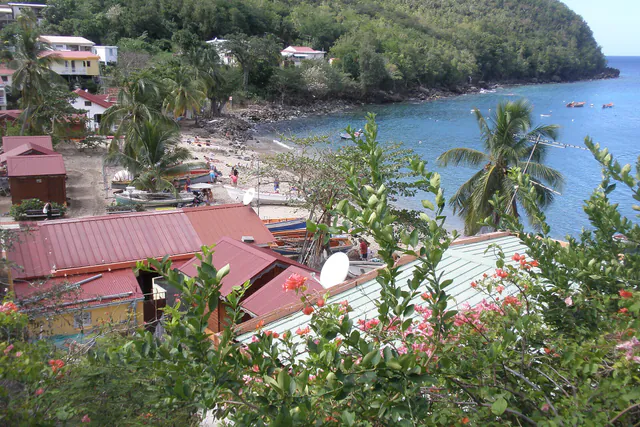
Observe turtles without disturbing them
Choose a snorkelling area and maintain the distance wildlife needs.
→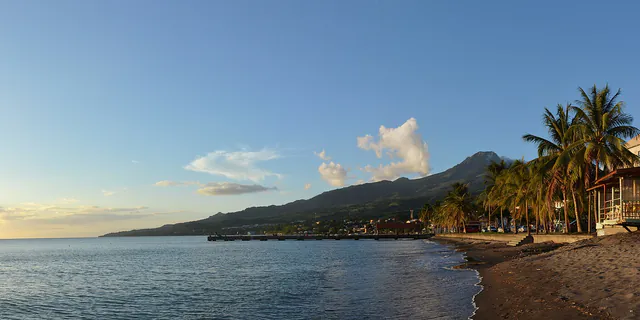
Plan a scuba dive
Choose an area and centre around your certification, recent experience and the sea.
→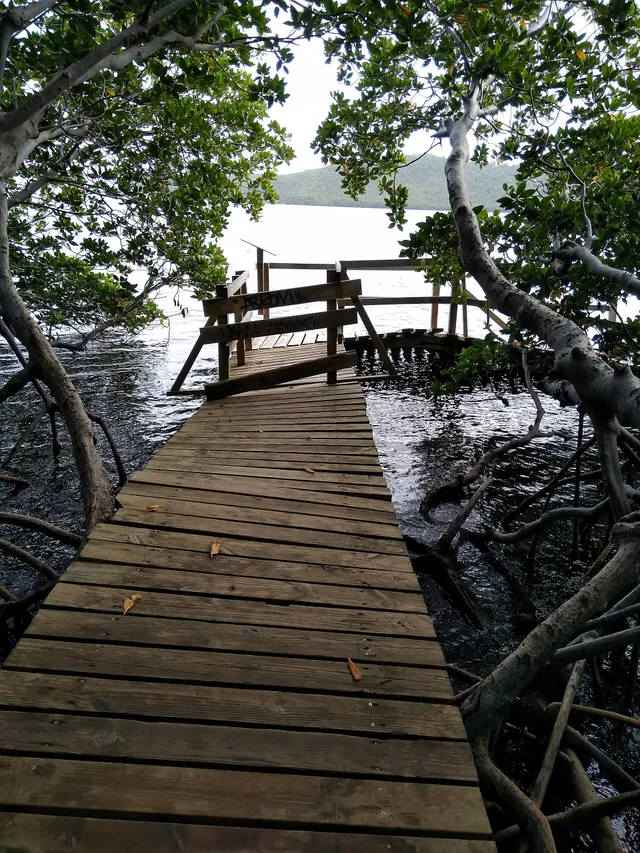
Explore mangroves by kayak
Compare Génipa, Caravelle and Robert Bay by wind, ability and interpretation.
→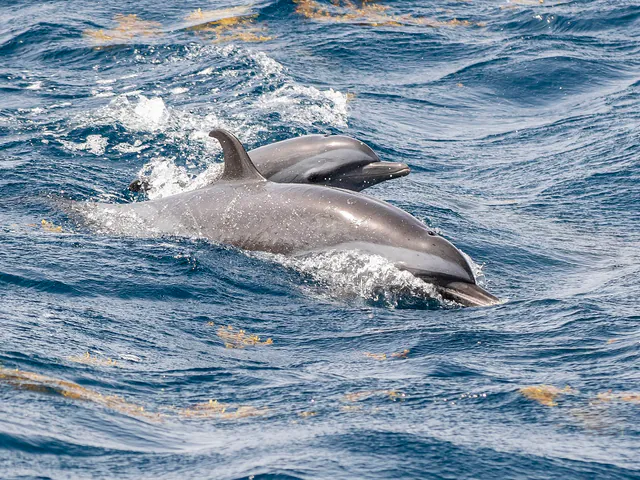
Choose responsible cetacean watching
Check Agoa authorisation and accept that wildlife sightings are never guaranteed.
→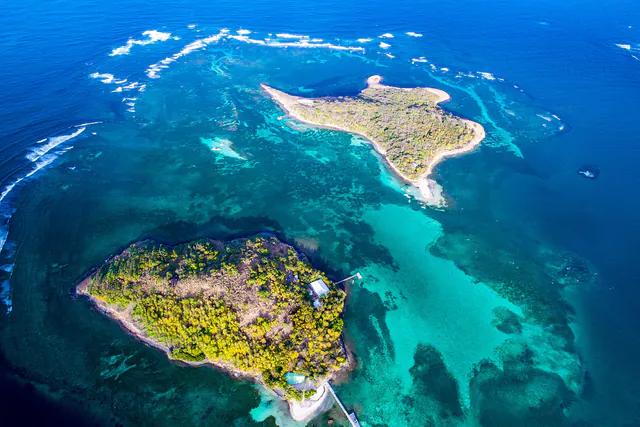
Visit the Fonds Blancs
Compare boats, boarding points, water time and environmental practices.
→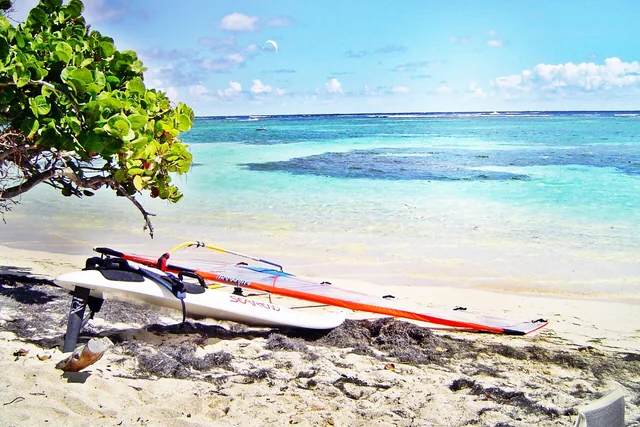
Surf, kitesurf or paddleboard
Match the spot, lesson and equipment to your ability and current conditions.
→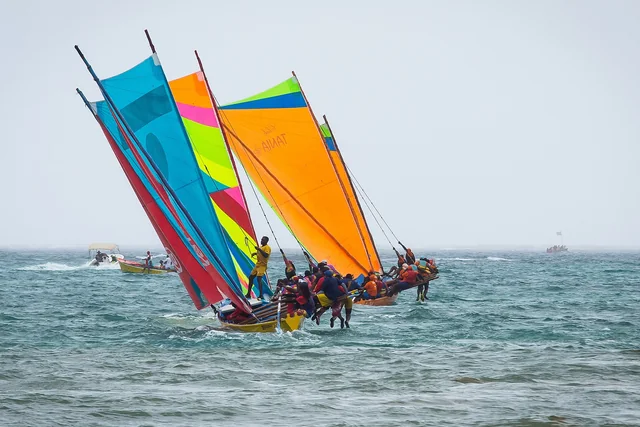
Sailing, yoles and catamaran trips
Distinguish lessons, yole culture, crewed excursions and independent rental.
→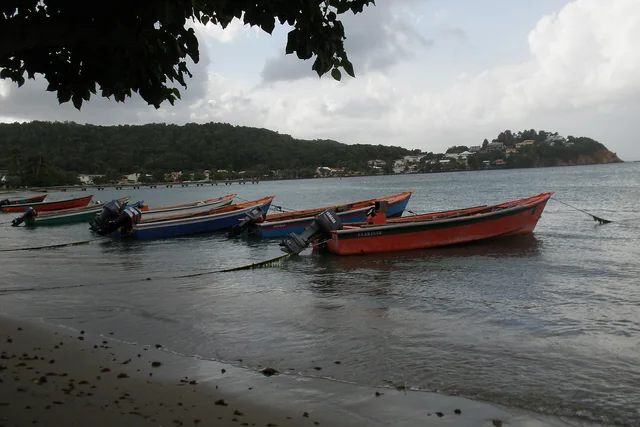
Plan a fishing trip
Check weather, supervision and current regulations before going out.
→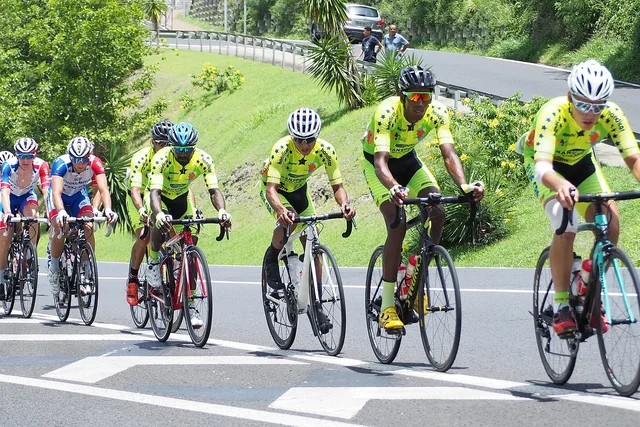
Explore Martinique by bicycle
Choose road, mountain bike or e-bike around terrain, heat, traffic and ability.
→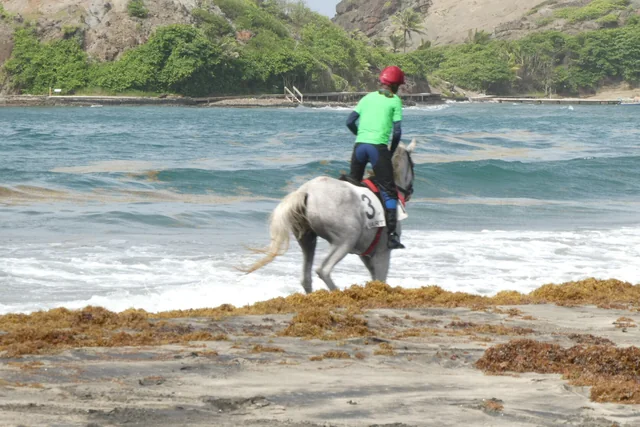
Choose a horse ride
Match the horse, pace, route and heat policy to the individual rider.
→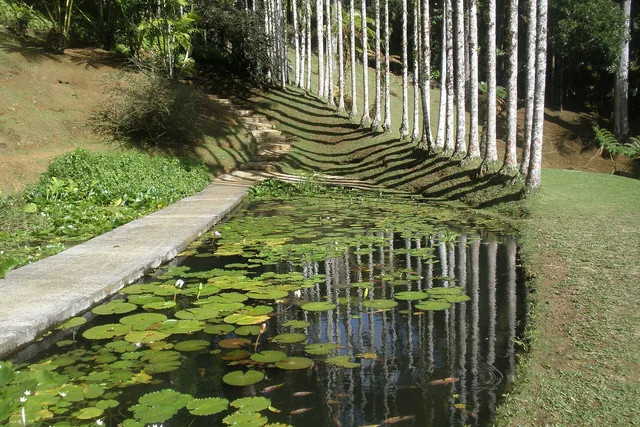
Visit gardens and nature parks
Compare botanical collections, interpreted forest, heritage and accessibility.
→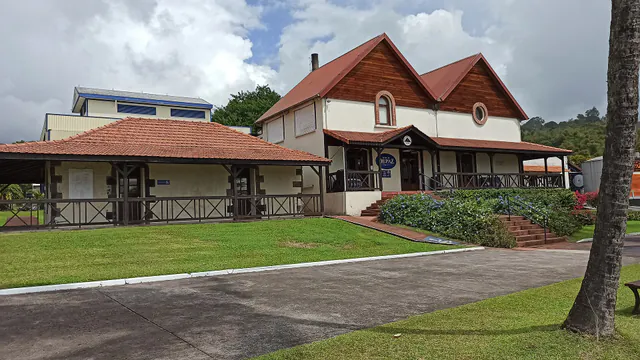
Visit a rum distillery
Choose production, heritage, gardens or tasting, then organise the driver.
→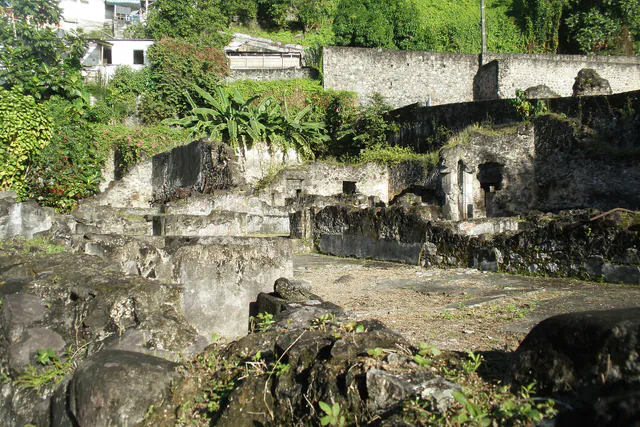
Understand Saint-Pierre
Connect the living town, 1902 remains, museums and surrounding volcanic landscape.
→Start with conditions, not a bucket list
Two Martinique activities planned for the same day can require opposite conditions. A walk on wet high ground has different constraints from an offshore boat trip, and a sheltered beach in the morning may become uncomfortable when wind or swell changes. Before making any non-refundable booking, check Météo-France Martinique warnings and, for sea trips, the coastal marine forecast.
Keep at least half a day interchangeable. You can use it to move a boat trip, replace a hike with a museum or visit the other coast. That flexibility is more useful than filling every time slot before arrival.
Which activity suits you?
| Your priority | A sensible starting point | Decide this first |
|---|---|---|
| An easy first day | A beach chosen that morning for the sea state | Water quality, shade, parking and swimmers’ ability |
| Volcanic scenery | Mount Pelée or the wet north | Volcanic bulletin, rain, visibility and footwear |
| A coastal hike | Caravelle or a southern trail | Heat, exposure, water supply and realistic distance |
| Seeing underwater | Supervised introduction, certified diving or snorkelling | Ability, health, area, group size and cancellation plan |
| Understanding mangroves | Guided kayak or an interpreted walking route | Wind, sheltered sections, buoyancy aid and local rules |
| Going offshore | A trained, authorised operator | Marine weather, seasickness and a respectful observation policy |
| Mixing nature and culture | Saint-Pierre, Fort-de-France or a visitable habitation | Same-day opening confirmation and travel time |
Walking: volcano, forest or coast
Mount Pelée is a mountain outing, not a simple viewpoint. Fog, rain and wind can increase the effort and remove the view. Check the Martinique Volcano and Seismological Observatory bulletins, the forecast and any local closure before setting off.
The Caravelle peninsula better suits visitors who want dry forest, an Atlantic shoreline, mangroves and Château Dubuc heritage in one area. DEAL Martinique provides the reserve’s official documents and legal notices. For routes, use the ONF map of public-forest visitor sites and trails and current signs rather than an old GPS track copied from a blog.
Choose a route everyone in the group can finish with some reserve. Wet ground and roots make short distances harder in the north. In the south and on Caravelle, sun and exposure can be the limiting factors.
Beaches, snorkelling and swimming
Make the choice in the morning. The Caribbean coast is often sought for more sheltered water, while the Atlantic side can be more exposed, but these are tendencies rather than daily guarantees. Our Martinique beaches guide compares areas without declaring any beach permanently safe.
For bathing-water status, start with the French health ministry’s official Martinique bathing-water portal, then select the municipality and site you need. Flags, notices and municipal orders at the beach take priority. Apparently calm water still requires close child supervision and a realistic assessment of the return to shore.
If seeing turtles is your aim, first read how to swim near turtles without disturbing them. No beach guarantees a sighting, and the quality of an encounter should never be measured by how close you managed to get.
Diving: choose an area before a famous site
Three broad approaches help: wrecks and maritime history around Saint-Pierre, reefs and drop-offs reached from the south-west, or boat trips toward the Diamond area. A good centre chooses the specific site after learning your certification, recent experience and the day’s conditions. Our scuba-diving guide lists the questions to ask before paying.
Do not choose a provider solely because it advertises a famous site. Ask what happens if the sea requires a change, what a non-diver can do and how mixed-ability participants are handled.
Mangroves: interpretation matters more than merely passing through
A guided trip can explain mangrove trees, the nursery role of wetlands and the pressures on them. Génipa Bay offers sheltered routes from several starting areas, while Caravelle also lets you understand mangroves on foot. The mangrove-kayaking guide compares routes without assuming that every channel is accessible year-round.
Do not collect anything, land where access is not authorised or chase birds and crabs for a photograph. A short, quiet, well-explained outing can teach more than a long motorised circuit.
Dolphins and other cetaceans: sightings are never guaranteed
The waters around Martinique are part of the Agoa Sanctuary. Members of the public must not approach marine mammals within 300 metres. Only professionals trained by Agoa and authorised by the Direction de la Mer operate under a framework that may allow them to approach to 100 metres. Use the official list of trained and authorised professionals, then confirm the operator’s current status directly.
A responsible dolphin-watching trip should remain worthwhile without an animal encounter, through coastal interpretation, naturalist guidance and sensible navigation. Reject any promise of swimming, contact, feeding or guaranteed sightings.
Fonds Blancs and islet trips
The François and Robert shallows are marine environments, not managed swimming pools. Compare the boat, passenger number, time devoted to interpretation and environmental practices. The Direction de la Mer brings together Martinique navigation rules, including local maps and regulations.
Before booking, ask about:
- the precise boarding point and realistic parking arrangements;
- the actual time spent navigating and in the water;
- flotation equipment available for adults and children;
- the rescheduling policy if the marine forecast deteriorates;
- anchoring, waste and wildlife-approach rules used by the operator.
Build an itinerary without multiplying road time
Group days by area. From the north Caribbean coast, combine Saint-Pierre with an underwater or heritage activity and, if conditions allow, Mount Pelée. From the south-west, group Les Anses-d’Arlet, beaches, snorkelling and diving. From the centre or Les Trois-Îlets, retain practical access to Fort-de-France and Génipa Bay. Give the Atlantic side a dedicated Caravelle or islet day instead of adding it as an end-of-day detour.
If two or three activities are priorities, choose accommodation around those areas. This usually saves more time than selecting a supposedly central base that is poorly placed for your early departures.
The night-before check
- Read the weather warning and the marine forecast for the relevant area again.
- Confirm the meeting point, access and the activity actually operating with the organiser.
- Adjust water, sun protection, footwear, dry clothing and seasickness preparation.
- Tell the provider about children, non-swimmers, reduced mobility or health concerns.
- Keep a land-based alternative. A safety cancellation is a sound decision, not a wasted day.
The Martinique Tourism Committee’s things-to-do directory can help you identify providers. Treat it as a starting directory, then verify operational details with the organiser and relevant authority.
Useful points on the ground
Addresses and maps
Saint-Pierre and the north Caribbean coast
Saint-PierreFranceA useful base for Mount Pelée, the history of 1902 and outings along the north Caribbean coast.
Tartane and the Caravelle peninsula
La TrinitéFranceAn Atlantic-side reference point for trails, the nature reserve and Château Dubuc heritage.
Les Trois-Îlets
Les Trois-ÎletsFranceA practical departure area for Génipa Bay, cross-bay ferries and several sea trips.
Sainte-Anne and the south
Sainte-AnneFranceThe area for Les Salines and a starting point for several southern beaches and walks.