Cultural and culinary context
Martinique culture and food: understand, taste and meet
Food in Martinique becomes more meaningful when dishes, languages and places are connected to their history. Ask good questions without treating local life as a performance.
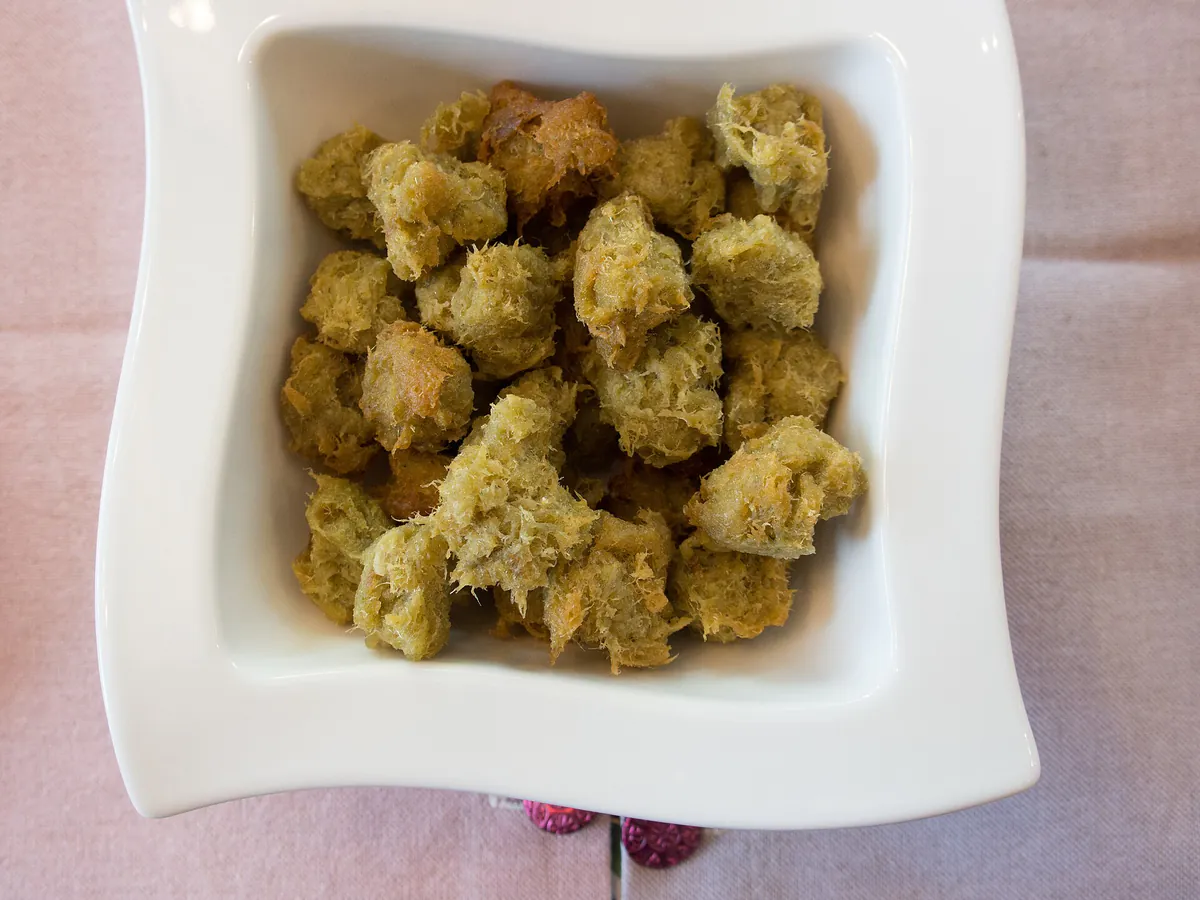
Martinican cooking is the product of intertwined African, European, Indian, Indigenous and wider Caribbean histories. That sentence should not become a shortcut: each dish, piece of music or Creole word has its own context, and Martinicans are not one homogeneous cultural backdrop.
A better approach is to observe, ask and listen. A market, family restaurant, museum and municipal festival each tell different stories.
French and Martinican Creole
French is the official language and sufficient for ordinary practical matters. Martinican Creole is a living language heard in conversation, music and literature and in the names of dishes. A carefully learned greeting may be appreciated; imitating an accent or repeating an expression without understanding its register can have the opposite effect.
Begin simply with bonjour, make your request and say thank you. Ask “Comment dit-on… ?” — “How do you say…?” — when someone has time to answer. Nobody is obliged to give a language lesson or appear in a travel video.
Dishes: prompts for questions, not a ranking
| Reference point | What to ask | Why it matters |
|---|---|---|
| Accras | Fish, shellfish or vegetable filling, flour and cooking oil | The name alone is insufficient for an allergy or dietary restriction |
| Boudin créole | Ingredients and chilli level | Recipes vary and will not suit every diner |
| Colombo | Meat, fish or plant-based version, plus side dishes | The spice blend does not describe the whole plate |
| Poulet boucané | Portion, sides and sauce | A plated meal and takeaway serving may differ |
| Féroce d’avocat | Whether it contains salt cod, cassava and chilli | It can be powerful, and the actual recipe needs checking |
| Local fruit and vegetables | Name, ripeness and preparation | The seller often explains the produce better than a generic list |
The Martinique Tourism Committee’s gastronomy overview describes the cuisine’s multiple influences and introduces common dishes. Use it to recognise names, then ask about the actual recipe instead of assuming.
Allergies and dietary restrictions
An approximate translation can be dangerous. Write the allergen in French, explain clearly if traces or shared frying oil are a problem, and ask whether the person answering knows how the dish is prepared in the kitchen.
For vegetarian or vegan food, do not rely on the word “vegetables”: stock, salt fish, animal fat or a garnish may form part of the recipe. If communication remains uncertain, choose a simple dish with identifiable ingredients.
Visit a market without turning it into a stage
Greet a vendor before asking a question. Confirm the price, unit and quantity before anything is prepared. Do not handle produce unless invited, and ask permission before photographing a person even when the stall is visible from a public aisle.
The Grand Marché in Fort-de-France is well known to visitors, but markets in Saint-Pierre, Sainte-Anne, La Trinité and other towns let you add shopping to a day already planned in that area. Read the Martinique markets guide before crossing the island solely for a market hall.
Sugar cane and rum: do not separate the product from its history
Martinique AOC agricole rum is made from sugar-cane juice under an official specification. A tasting can explain categories and ageing, but a complete visit should also discuss land, labour, slavery and the sugar industry.
The Maison de la Canne and other memory sites can complement a distillery. Compare what you want from the visit in our rum distilleries guide. If you are driving, do not drink before the return journey.
Music, dance and crafts: look for a real event
A local calendar or cultural institution is more useful than entertainment marketed as “typical” without context. Before buying a ticket, identify the organiser, performers, venue, time and intended audience. For crafts, ask where and by whom an object was made; a Martinican motif alone does not prove local manufacture.
Memory sites and vocabulary
Habitations, ruins, museums and monuments address sensitive histories. Read the words chosen by institutions and researchers, compare more than one form of interpretation, and do not reduce slavery to an anecdote within a garden or rum visit.
La Savane des Esclaves is among the places to consider, together with public collections and heritage sites. Verify the current visitor route directly: the venue’s name alone does not summarise its approach or content.
Sources for deeper context
- Martinique gastronomy, Martinique Tourism Committee;
- markets in Martinique, for identifying the main municipalities;
- the French Ministry of Agriculture’s Rhum de la Martinique specification, for the appellation;
- historic sites and monuments, for individual venue listings.
Confirm programmes, access, languages, opening arrangements and photography rules with each organiser.
Useful points on the ground
Addresses and maps
Grand Marché de Fort-de-France
97200 Fort-de-FranceMartiniqueA useful market hall for discussing ingredients and recipes, provided you ask before taking photographs.
La Savane des Esclaves
97229 Les Trois-ÎletsMartiniqueCheck the venue directly for its current route, interpretation and accessibility.
Maison de la Canne
97229 Les Trois-ÎletsMartiniqueA useful complement to a distillery for placing sugar cane in its economic and social history.