Cycling · Road, MTB and e-bike
Cycling in Martinique: road, mountain bike and e-bike
A bicycle reveals Martinique’s hills and landscapes, but heat, gradients, shared roads and wet trails can quickly change the difficulty. Choose the terrain first, then the right bike and support.
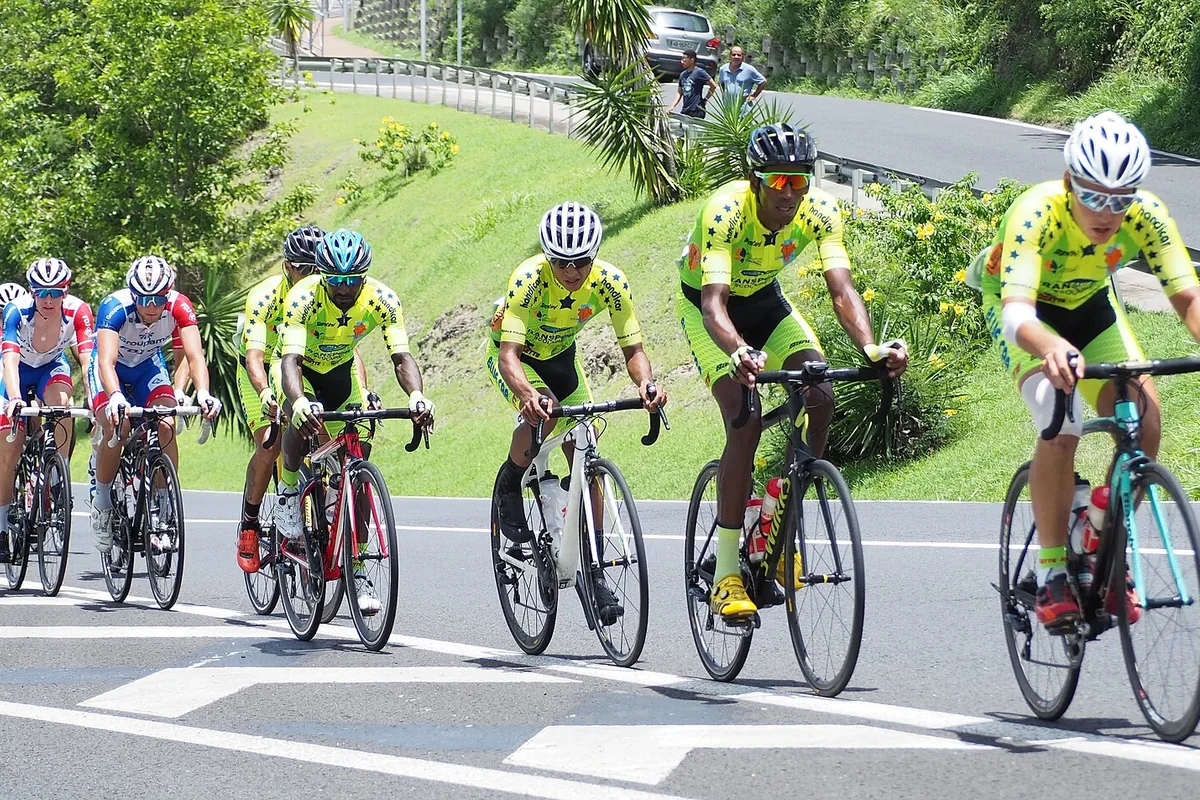
Match the bike to the ground, not the photograph
A cycling day in Martinique might mean a coastal outing, a hilly road loop, a mountain-bike route or a guided e-bike excursion. These are not interchangeable experiences and do not require the same equipment or ability. Your first decision is not the bicycle brand but the surface, total climbing, traffic and available exit points.
The Martinique Tourism mountain-biking guide includes Les Salines–Cap Chevalier among its easier ideas, Forêt de Montravail and Morne Gommier at an intermediate level, and Mount Pelée and Trace des Jésuites for more demanding ground. Treat that selection as a starting point for research. Before setting out, a rental company or guide should confirm that the precise route is permitted, open and suitable after recent rain.
Choose the right type of ride
| Your aim | Format to investigate | The deciding check |
|---|---|---|
| A relaxed family ride | short guided outing or genuinely quiet road | real separation from traffic, bike sizes and a return plan |
| Explore without absorbing every climb | e-bike with suitable range | total ascent, bike weight, remaining assistance and charging plan |
| Find technical terrain | MTB with appropriate tyres, brakes and suspension | difficult features, mud, access rights and group experience |
| Complete a road loop | serviced bicycle, lights and a less busy itinerary | road width, traffic at that hour and places to shorten the loop |
| Combine riding with a visit | half-day in one compact area | secure bicycle storage and currently confirmed venue times |
A short distance on a map can still be strenuous. Repeated gradients, humid heat, wind and frequent stops reduce average speed. Ask for total elevation gain and surface type rather than accepting a kilometre figure on its own.
Shared road or trail: two different plans
On the road, assume you will share space with cars, buses and commercial vehicles. Choose a quieter time, make yourself visible and avoid building a route that depends on a continuous shoulder. France’s official bicycle-equipment rules set out the national requirements; the rental provider should also explain local features on your chosen itinerary.
Off-road does not mean risk-free. Roots, branches, rocks, drainage channels and mud require a speed at which you can stop. A simple section in dry conditions can become slippery after a shower. Do not follow a downloaded track past a closure sign, through private land or across visibly eroded ground.
The Trace des Caps is primarily a walking route through a sensitive coastal environment. If a cycling offer uses its name, ask for the exact route and permission rather than assuming every hiking section accepts bicycles.
Heat, rain and start time
Check Météo-France Martinique warnings before leaving. A rain-free morning does not rule out strong heat or a road that is still wet. Starting early often reduces exposure, but low light makes effective bicycle lights and extra road awareness essential.
Carry more water than you would for the same distance in a temperate climate. Drink before becoming thirsty and choose a snack that remains usable in the heat. An unusual loss of coordination, headache or chills are reasons to stop in shade and shorten the outing, not to “finish the loop”.
If heavy rain arrives, do not try to rescue the booking by entering a forest trail. Run-off hides holes, reduces braking and may interrupt a crossing. Keep an indoor option available in your wider activity plan.
Inspect the bicycle before leaving
Take a test ride long enough to operate the gears, both brakes and, on an e-bike, several assistance settings. The frame should fit and you should be able to stop without losing balance. Also check:
- tyre pressure and condition, with no visible cuts;
- progressive braking, without a lever reaching the handlebar;
- a chain and gears that work under moderate pressure;
- a correctly sized helmet for every rider;
- a compatible tube or repair system, pump and tyre levers;
- a lock and permitted storage point if you plan to visit somewhere;
- the support number, covered area and breakdown procedure;
- battery level, any charger supplied and realistic range with the stated climbing.
Photograph the bicycle’s condition at collection and have any defect recorded. Ask who retrieves you if a mechanical problem cannot be fixed. “Assistance included” without a defined area or procedure is not yet a workable plan.
Questions for a guide or rental company
Describe honestly how often you ride, how confident you are descending and the ability of the least experienced participant. Then ask what proportion uses open road, broad track or technical trail; how long the biggest climb lasts; how much time is actually spent in the saddle; and whether there is a mid-route alternative.
For a child, confirm minimum size, seat or bike type, helmet and separation from traffic. Explain mobility or health needs before booking: “electric” does not automatically mean easy, because an e-bike is heavy to handle and may occasionally need to be pushed.
A tourism directory helps identify providers, but it cannot answer these questions for you. Verify insurance, supervision, supplied equipment and weather cancellation directly. Do not rely on prices or opening hours copied from an old listing.
Build a half-day that works
Choose one area and save the start, finish and two possible exits on an offline map. Add time for fitting the bicycle and taking breaks. If transporting bikes by car, confirm the rack, remaining passenger space and legal parking; never improvise a load that obscures lights or the number plate.
A southern ride can end at a beach, but lock the bike in a permitted place and leave nothing visible. Read our beach guide before making swimming part of the plan: sea state, sargassum, water quality and supervision vary by place and day.
Stay on authorised routes, slow for walkers, close any agreed gates and carry all rubbish away. The best ride is not the one with the largest distance. It is the one everyone completes before the strongest heat, with spare battery, water and braking margin.
Final check before riding
- Confirm the route, surface, elevation and access rights.
- Check warnings, recent rain, traffic and return time.
- Test brakes, gears, tyres, helmet and electrical assistance.
- Carry water, a snack, sun protection, repair supplies and a charged phone.
- Save the map and support number offline.
- Shorten the route immediately if the ground or group is slower than expected.
To reduce early transfers, choose where to stay in Martinique only after deciding which part of the island you genuinely want to ride.
Useful points on the ground
Addresses and maps
Forêt de Montravail
Sainte-LuceFranceAn area cited by Martinique Tourism for intermediate mountain biking; confirm the permitted route, its condition and access before riding.
Morne Gommier
Le MarinFranceA southern reference point associated with hills and views; do not confuse the roadside viewpoint with a verified MTB circuit.
Les Salines and Cap Chevalier
Sainte-AnneFranceA southern area exposed to sun and wind; verify that your precise route is rideable and open to bicycles.